Still Her, Just Dressed Up: A Mother-of-the-Bride Dress Guide for 2026 Weddings
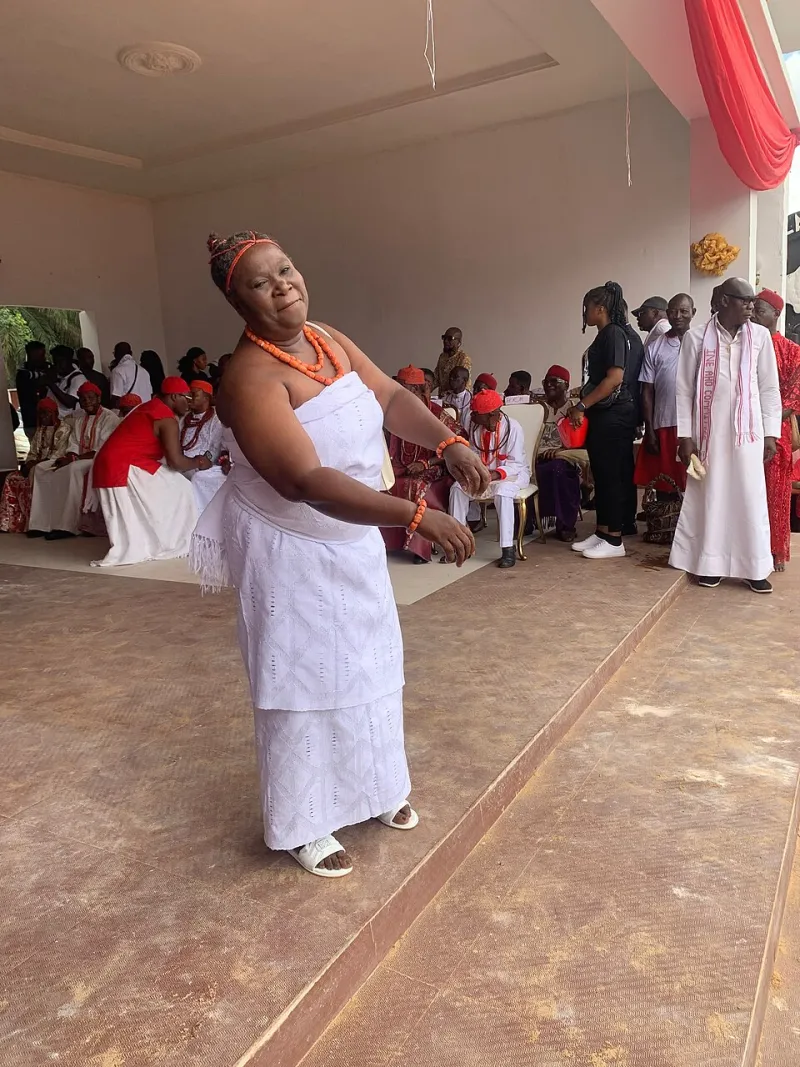
Photo: Onyinyemg, CC BY-SA 4.0, via Wikimedia Commons
There's a version of the mother-of-the-bride dress that lives in a lot of our heads: a stiff little jacket, a color nobody would choose for fun, and a general feeling of being costumed as someone's mom rather than being someone's mom. That version is on its way out. Weddings in 2026 skew relaxed, photograph-forward, and personal, and the women standing beside the couple are dressing accordingly — polished, comfortable, and clearly themselves.
If you're shopping for a child's wedding this year, here's the practical side of that shift, minus the panic.
Start Earlier Than Feels Reasonable
Nine months out is a comfortable runway; six is workable; three is a scramble but not a crisis. The math isn't about finding the dress — it's about the two fittings after you find it, which typically take four to eight weeks depending on the shop and the season. Spring and fall are peak alteration months, and good tailors book up.
A rough timeline that keeps things calm:
- 9–7 months out: Browse with intent. Save photos. Get measured.
- 7–5 months out: Buy. Order in your current size, not a hoped-for size — taking in is easy, letting out is not.
- 8–6 weeks out: First fitting, with the shoes and undergarments you'll actually wear.
- 2–3 weeks out: Final fitting. Wear it around the house for an hour afterward to break in the reality of it.
Silhouettes That Do the Work For You
Forget age rules; think about the day. You'll be standing for a ceremony, hugging roughly forty people, sitting at a head table, and possibly dancing badly. The dress needs to survive all four.
- Column and sheath in a heavier crepe — clean lines, no fuss, photographs beautifully. Look for a touch of stretch so sitting isn't a negotiation.
- A-line midi — the most forgiving shape in the room, and midi lengths are everywhere right now without looking trendy.
- Wrap or faux-wrap — adjustable through the waist, which matters if your weight fluctuates or if you're between sizes.
- Soft tailoring with a defined shoulder — a structured bodice or a light capelet reads modern and gives lovely posture in photos.
Skip anything that requires constant adjustment: strapless with no structure, thin halter ties, dresses with a train. You want to be present, not managing your hem.
Fabrics That Hold Up Under Hugs
Crepe, matte satin, chiffon over a lining, ponte knits for the reception-only change, and good-quality stretch blends all survive a long day. Test the fabric by squeezing a fistful for ten seconds at the store — if it springs back, it'll survive an evening of embraces. If it creases hard, imagine that crease in every photo after 6 p.m.
Also consider the venue. A garden ceremony in July and a ballroom in December want different weights, and a dress that photographs gorgeously in low ballroom light can look washed out at 3 p.m. in direct sun.
Colors That Photograph Kindly
You don't have to disappear into the background, and you don't have to avoid color like it's a breach of etiquette. Two guidelines do most of the work:
- Skip true white and bridal ivory in any fabric that could read as a wedding gown. Creams, champagnes, and prints with a white base are usually fine — ask the couple if you're unsure.
- Choose a color with some depth. Jewel tones, dusty blues, sage and olive greens, deep plum, burgundy, navy, and warm terracotta all hold their own in photos beside a white dress without competing with it.
Pastels can be lovely but tend to go flat in flash photography, especially very pale pinks and grays. Black is elegant and completely acceptable in most 2026 weddings, though at a daytime garden ceremony it can look heavier than the setting.
Coordinating Without Matching the Bridal Party
The bridesmaids will be in a palette. You do not need to be in it — you need to be near it. Think of it as a cousin, not a twin.
- Ask the couple for the palette and the overall vibe, then pick a color one or two shades deeper or softer than the bridal party's.
- If the bridesmaids are in, say, pale sage, a deep olive or a warm bronze works beautifully with them without blending in.
- If you're coordinating with the mother of the groom, a quick text exchange about color families saves everyone an awkward reveal. You don't need to match her; you just need to not clash.
When Opinions Arrive
They will. Here's the graceful way through.
Ask the couple one question early: "Is there anything you specifically want or don't want me to wear?" Most will say "whatever you love." A few will have a real preference, and it's worth knowing before you fall in love with something else.
Hold one non-negotiable. Comfort is the easiest one to defend — "I need to be able to dance with you and stay until the end" is hard to argue with.
Let the extended family weigh in, then let it go. Aunt Carol's opinion about sleeves is information, not instruction. Thank her, then buy what you'll feel good in at 9 p.m.
Bring one trusted person to the fitting. One. Not four. A crowd turns a decision into a committee.
The Details People Forget
Break in your shoes at least two weeks ahead, and bring a backup pair of flats in the car. Test your undergarments with the actual dress, not the dress before alterations. Pack a small bag for the day: blotting papers, fashion tape, a stain pen, and a pair of earrings you can put in when the ones you wore to the ceremony start to ache.
The dress is not the point. You're standing next to your child on one of the biggest days of their life, and the best outfit is the one that lets you forget what you're wearing and be fully there for it.